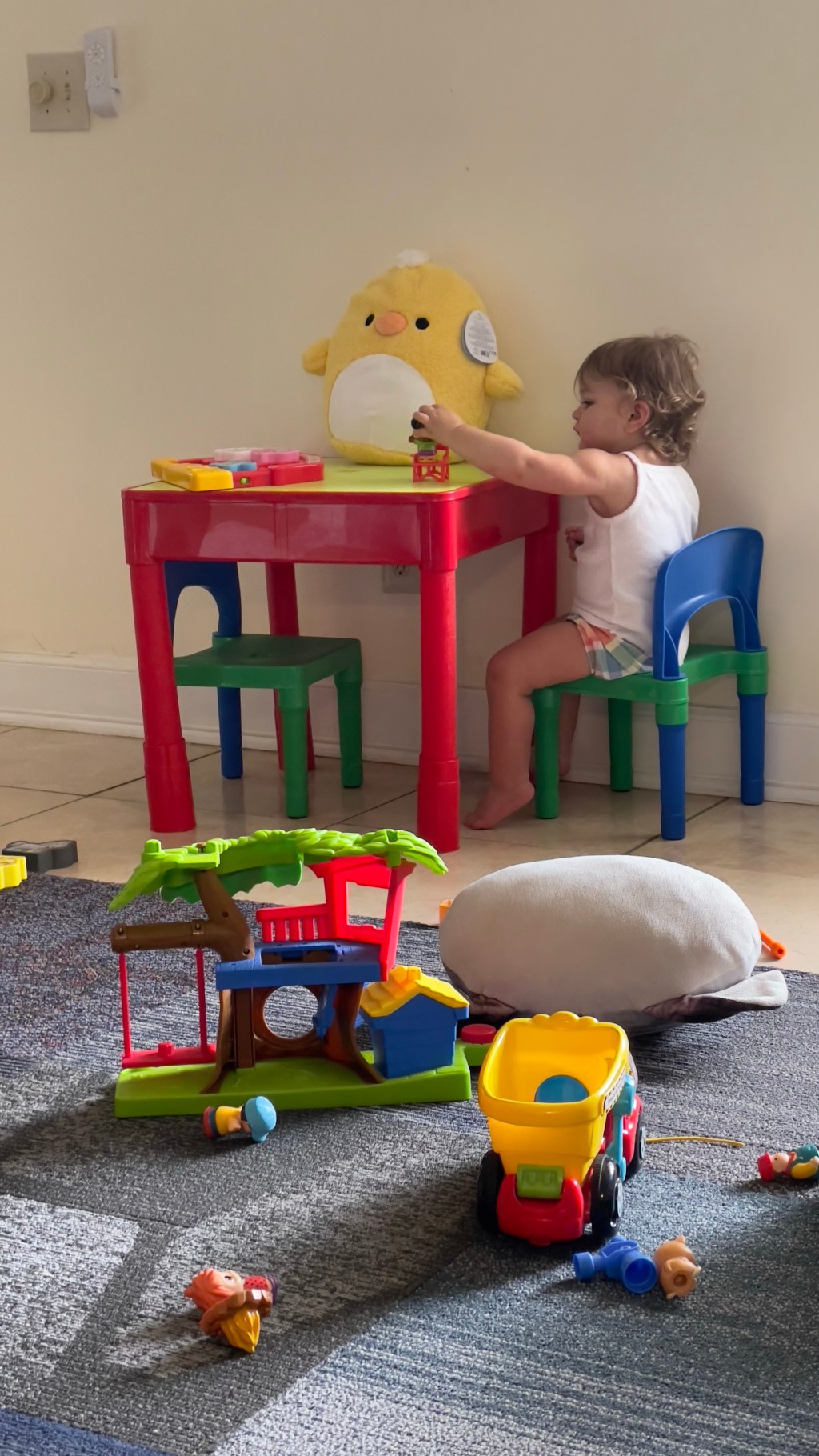
Sensory bins offer numerous benefits for toddlers’ development and learning. Here are some of the key advantages:
Sensory Stimulation: Sensory bins engage multiple senses, such as touch, sight, hearing, and sometimes even smell. By exploring different textures, colors, and materials, toddlers receive rich sensory input, which enhances their sensory development and processing skills.
Cognitive Development: Sensory bins encourage cognitive growth by promoting problem-solving, decision-making, and critical thinking skills. Toddlers learn to sort and categorize objects, experiment with cause and effect, and engage in imaginative play, fostering their cognitive abilities.
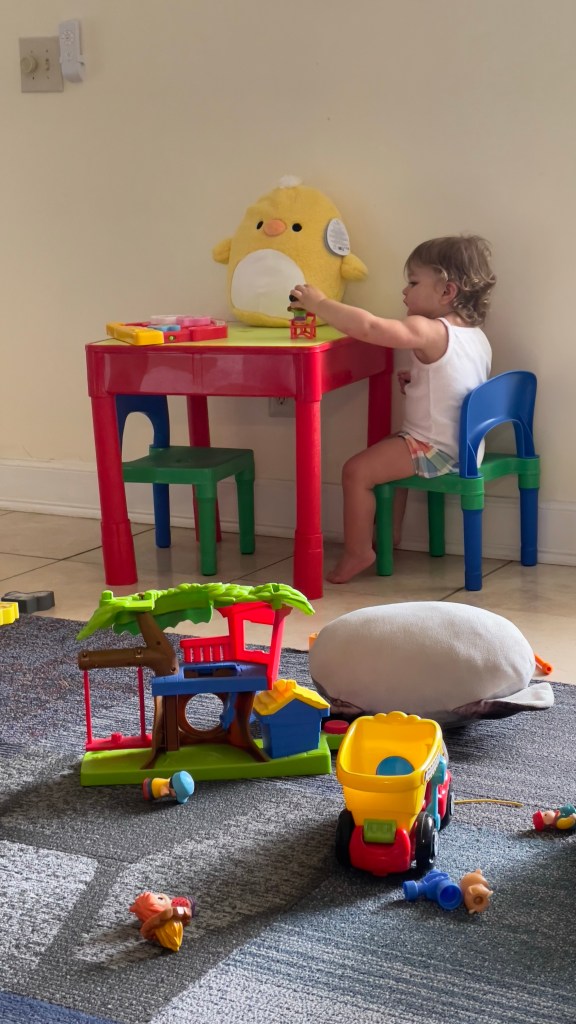
Language Development: Sensory bins provide opportunities for language development as toddlers engage in conversations, ask questions, and describe what they are experiencing. They learn new vocabulary related to colors, textures, shapes, and objects, expanding their language skills.
Fine Motor Skills: Manipulating and playing with the items in a sensory bin helps develop fine motor skills and hand-eye coordination. Picking up small objects, pouring, scooping, and grasping different materials enhance toddlers’ dexterity and control over their movements.
Sensory Integration: Sensory bins can be particularly beneficial for children with sensory processing difficulties. Regular exposure to sensory experiences in a controlled and structured environment can aid in sensory integration, helping toddlers become more comfortable with various textures and sensations over time.
Focus and Attention: Engaging with a sensory bin requires concentration and attention to detail. As toddlers explore and play with the objects, they learn to focus their attention, lengthening their ability to concentrate and improving their overall attention span.
Emotional Regulation: Sensory play can have a calming and soothing effect on toddlers. It provides an outlet for emotional expression and self-regulation, allowing them to relax, de-stress, and manage their emotions more effectively.
Social Skills: Sensory bins can be shared and enjoyed with others, promoting social interaction, turn-taking, sharing, and cooperation. Toddlers can engage in pretend play scenarios, encouraging social skills like empathy, communication, and collaboration.
Remember to supervise toddlers during sensory play and ensure the materials used are age-appropriate and safe.
Here are a couple fun finds from Etsy: *Make sure to always pick age appropriate items and supervise your children while playing*
- Lemonade Sensory Bin for Toddlers : This sensory bin is designed to engage their senses and provide hours of imaginative play. Inside, you’ll find a base of sensory material resembling lemonade. The bin may also include a variety of lemon-themed items and accessories, such as lemon slices, lemonade cups, toy citrus fruits, and small utensils for scooping and pouring.
- Ocean Play Kit: Bring joy directly to your home with our Ocean Play Kit! As parents we are always looking for ways to keep our littles entertained and sensory play will do just that! A perfect opportunity for kids to explore and guide their own play which leads to more engagement and learning. Get ready to watch your child dive deep into their own world of sand and water!
- Gnome Sensory Kit: our little one will love creating their very own forest using our Gnome Sensory Kit this spring! The loose pieces and play dough included in this kit can be used for making ponds, gardens, and so much more!
- Camping Sensory Bin: Embark on a camping adventure right at home with our Camping Sensory Bin! This sensory bin is designed to ignite your toddler’s imagination and engage their senses. Inside, you’ll discover a variety of materials and accessories that mimic the elements of a camping trip.
- Construction Sensory Bin: Bring joy directly to your home with our construction play kit! As parents we are always looking for ways to keep our littles entertained and sensory play will do just that! A perfect opportunity for kids to explore and guide their own play which leads to more engagement and learning. Perfect for your little construction worker to create their own job site and dig!
In conclusion, sensory bins play a vital role in a toddler’s development and learning. These interactive and engaging play experiences offer a multitude of benefits. Through sensory stimulation, toddlers explore various textures, colors, and materials, which aids in the development of their senses and enhances sensory processing skills. Cognitive growth is fostered as they engage in problem-solving, decision-making, and imaginative play within the sensory bins.
Language skills are nurtured as toddlers describe their experiences, ask questions, and learn new vocabulary related to the sensory materials. Fine motor skills and hand-eye coordination are developed through manipulating and playing with objects within the sensory bins, fostering dexterity and control over their movements.
Sensory bins can also support sensory integration for children with processing difficulties, helping them become more comfortable with different sensations. Furthermore, sensory play promotes focus, attention, and emotional regulation, providing a calming and soothing effect on toddlers.
Moreover, social skills are honed when sensory bins are shared with others, encouraging turn-taking, sharing, and cooperation. Engaging in pretend play scenarios within the sensory bins fosters empathy, communication, and collaboration.
Overall, sensory bins provide a holistic and immersive play experience that supports toddlers’ physical, cognitive, emotional, and social development. By incorporating sensory bins into their playtime, caregivers and educators can create a stimulating and enriching environment that encourages exploration, creativity, and growth in young children.
*This post may contain affiliate links, which support this site at no cost to you.
 Strolling through travel
Leave a comment